
Hydrocodone
Individualized Hydrocodone Addiction Treatment Program
Inside prescriptions like Vicodin, Norco and Lortab, the ingredient doing the heavy lifting against pain is hydrocodone — for years among the most dispensed opioids anywhere in the country. Its effectiveness is real, and so is its downside: tolerance arrives quickly, dependence can establish itself even in patients who never stray from the directions, and for some that path continues into Hydrocodone addiction.
A complication specific to this drug deserves attention too — acetaminophen accompanies the opioid in most of these products, meaning that as amounts rise, the liver absorbs growing harm right alongside the breathing risks opioids already carry. Anxiety, depression, chronic pain and other substance use commonly weave through Hydrocodone addiction, so treatment here starts with a complete evaluation rather than assumptions. Dependence on a doctor-given medication reflects biology, not weakness, and committed addiction treatment turns what feels inescapable into something a person can actually overcome.

Common Signs and Symptoms
- Swallowing the next pill sooner than the directions say
- Acquiring hydrocodone through anyone but a prescriber
- Keeping appointments with extra doctors purely for scripts
- A once-sufficient dose now barely registering
- Soreness, perspiration or queasiness arriving as effects fade
- A pattern of bottles emptying before they should
- Dozing mid-task, slow responses or pupils narrowed to dots
- Adding drinks or other drugs into the mix
- Career, household and budget duties quietly abandoned
- Shaving the truth about quantities and frequency
- Carrying on even as the costs grow undeniable
- Compulsions that steamroll every cutting-back attempt

Levels of Care We Offer
A sudden break from hydrocodone brings on withdrawal severe enough to sink most solo efforts, so the correct level of behavioral health care follows from an honest read of the addiction’s depth and whatever else surrounds it.
Here’s what we can assemble:
- Intensive outpatient program (IOP) — a flexible cadence of weekly sessions built to coexist with shifts, classes and parenting.
- Hydrocodone detox — navigating withdrawal is medicine's job, so this portion goes to a trusted partner while our staff readies every stage beyond it.
- Partial hospitalization program (PHP) — extended daily treatment blocks that still end with dinner at your own table.
- Inpatient/residential treatment — should round-the-clock structure be the wisest starting point, a trusted partner provides it and we keep it stitched into the larger plan.
- Medication-assisted treatment (MAT) — from our own prescribers, buprenorphine, methadone or naltrexone alongside addiction counseling — dulling cravings while recovery takes root.
- Hydrocodone outpatient program — open-ended counseling and relapse-prevention support sustaining progress long after structured care concludes.
Why Early Hydrocodone Detox Matters
Give hydrocodone a few steady weeks and dependence can already be in place; give it longer and the hazards multiply — respiratory depression on one side, the accumulating acetaminophen strain on the liver on the other. Early intervention also neutralizes a danger most people learn about too late: tolerance shrinks during any break from the drug, which turns a return to the old amount into a genuine overdose threat.
Anyone who suspects an overdose should get emergency services on the phone at 911 right away and deploy naloxone if it’s within reach — it can suspend the opioid’s grip on breathing until professionals take over. The sooner the signs of Hydrocodone addiction are named and a medical or behavioral health professional is brought in, the more of a person’s future stays protected.

Supporting a Loved One
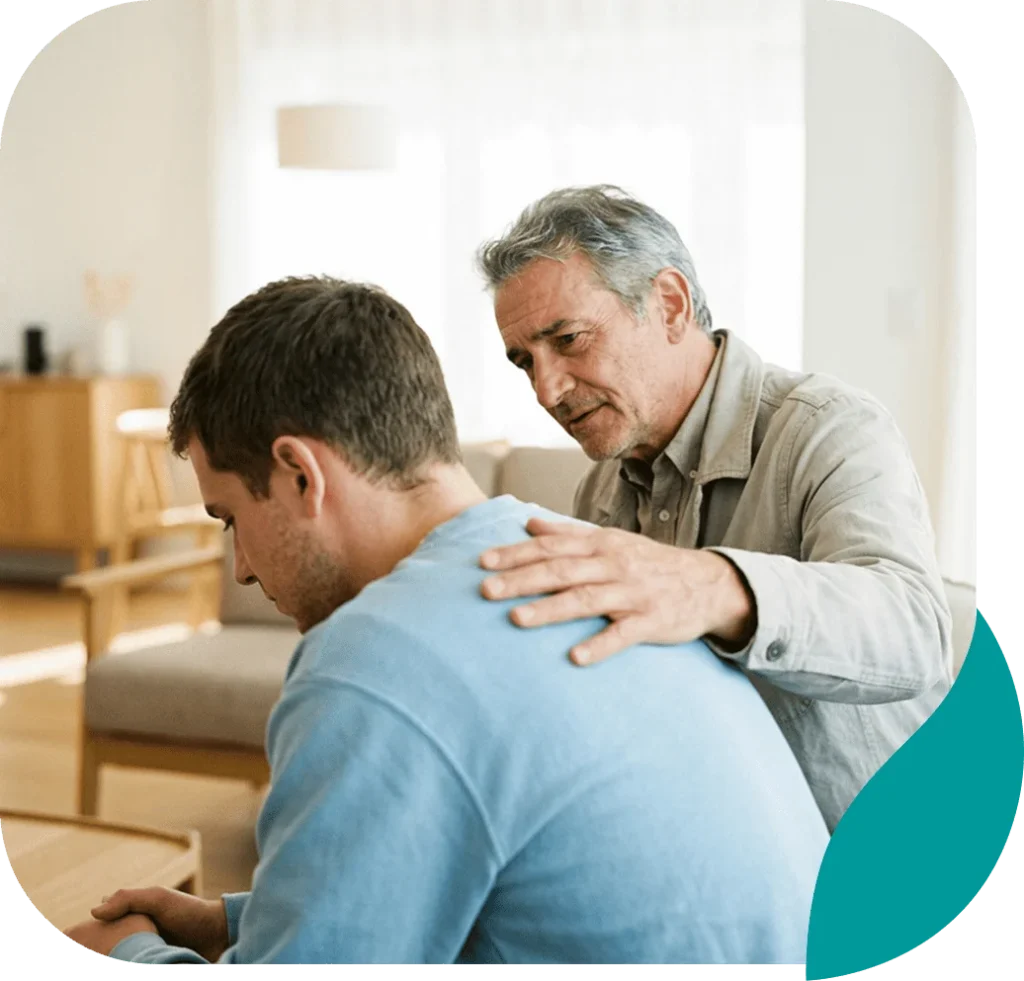
It’s heartbreaking when a medication that was supposed to help someone ends up running their life. And because a doctor prescribed it, the subject is hard to raise — it can feel like an accusation, and they may genuinely not see the problem themselves. When you do bring it up, lead with warmth rather than blame, and encourage medically supervised treatment over trying to quit cold turkey alone; people are far more likely to say yes to that. It’s also worth keeping naloxone somewhere easy to grab and learning the signs of an overdose, just in case. Most of all, remember you don’t have to handle this by yourself — helping your loved one find a Hydrocodone rehab program that actually fits their life can do more good than any single conversation.
Frequently Asked Questions About Hydrocodone Outpatient Treatment and Recovery
Yes — ordinary use under medical direction can still lead the body into physical dependence. Dependence and addiction are distinct, but the first can pave the way to the second, which makes any unease about hydrocodone use worth raising with a professional sooner rather than later.
It’s use that has crossed from choice into compulsion — continuing regardless of what it takes from a person’s health, relationships or responsibilities. Alongside it usually runs physical dependence, so any reduction in the drug is met with withdrawal.
Nearly all common hydrocodone prescriptions, Vicodin and Norco included, fold acetaminophen in with the opioid. Each escalation in dose raises acetaminophen exposure too, and past a certain point that compound can injure the liver severely — sometimes beyond repair — on top of everything the opioid itself threatens.
The definitive call rests with a medical or behavioral health professional. Even so, when the patterns on this page describe your life or someone else’s — or the thought of stopping brings genuine dread — that’s every bit of justification an evaluation requires.
The sequence usually opens with withdrawal managed medically through a trusted partner, then settles into counseling in private and group formats, with medication-assisted treatment anchoring recovery for a great many people. More intensive structure — residential care, partial hospitalization or outpatient services — enters whenever severity demands it.
Start with 911, no exceptions; naloxone comes immediately after if any is on hand, as it can interrupt the opioid and bring breathing back. Hold your position beside them, move them onto their side if consciousness fades, and give another naloxone dose if the symptoms return before the ambulance does.
Hydrocodone Rehab in Greenwood IN, Serving the Indianapolis IN Area
Provive Wellness surrounds each person facing Hydrocodone addiction with care that doesn’t waver when things get hard.
No one plans on falling prey to Hydrocodone addiction — but everyone can plan their way out of it with the right support. Contact us at (317) 943-5533 to start the journey toward recovery, whether it’s for yourself or someone you love. Our expert staff at our addiction clinic in Greenwood IN, proudly serving the greater Indianapolis IN area, will map out exactly where things stand, hand medically supervised detox to one of our trusted partners, and manage the heart of your Hydrocodone addiction treatment plan in-house — private counseling, therapeutic groups, medication-assisted treatment and further evidence-based services — to support lasting recovery!

The Provive Difference

PERSONALIZED CARE
Innovative treatment tailored to you. Our experts embrace the latest in evidence-based practices to help patients get results.

SUPPORTIVE STAFF
You’re not alone. Our staff understands the challenges of overcoming addiction and provides support at every step.

HOLISTIC APPROACH
Physical health is just one piece of the puzzle. We help patients achieve optimal wellness in mind, body, and spirit.
Some Insurance Plans we work with include:










The journey to wellness starts with a single step
Contact our team to learn more about the programs and resources available to you at Provive.


