Oxycodone Addiction
Individualized Oxycodone Addiction Treatment Program
Behind brand names like OxyContin and Percocet sits oxycodone, a powerful opioid prescribed for pain in the moderate-to-severe range. For many patients it serves a real purpose, but the body can grow reliant on it even under a doctor’s careful watch, and that reliance sometimes deepens into Oxycodone addiction. As with all opioids, breathing can slow to a dangerous point, particularly when doses climb or the drug gets combined with alcohol or another sedative. Oxycodone addiction rarely arrives by itself — chronic pain, depression, anxiety and other substance use are frequent companions — so an in-depth evaluation is where sound treatment begins. Developing a dependence on prescribed medication carries no shame; it’s a medical reality for many people, and structured addiction treatment turns recovery into something safe and sustainable.

Common Signs and Symptoms
Common Signs and Symptoms
- Doses creeping upward past what was prescribed
- Taking oxycodone that was never prescribed to them
- Rotating through different doctors to secure more pills
- Finding the usual amount no longer brings the same relief
- Feeling achy, sweaty or nauseated as the next dose approaches
- Prescriptions running dry well before the refill date
- Sleepiness that interrupts conversations or activities, plus tiny pupils
- Blending oxycodone use with drinking or other substances
- Bills, jobs or family needs going unattended
- Keeping the extent of use a secret
- Pressing on with use as fallout accumulates
- Urges to use that override every plan to quit

Levels of Care We Offer
Because opioid withdrawal is harsh enough to sabotage self-guided quitting attempts, matching someone to the correct level of behavioral health care means weighing how established the addiction is and what else is in the picture.
What we offer includes:
- Oxycodone detox — getting through withdrawal belongs in medical hands; we bring in a trusted partner to lead this stage while our team builds out the rest of the recovery roadmap.
- Inpatient/residential treatment — should constant, live-in support be the safest launch point, we set it up alongside a trusted partner and weave it into the overall plan.
- Partial hospitalization program (PHP) — a substantial block of therapy hours each treatment day, paired with the comfort of going home every evening.
- Medication-assisted treatment (MAT) — prescribed directly by our team, medications including buprenorphine, methadone or naltrexone work hand-in-hand with addiction counseling to blunt cravings and reduce relapse risk.
- Intensive outpatient program (IOP) — several appointments per week arranged so treatment coexists with employment, school and home life.
- Oxycodone outpatient program — sustained counseling and check-ins that reinforce progress once a more structured phase concludes.
Why Early Oxycodone Detox and Rehab Matters
Steady oxycodone use can produce dependence within a matter of weeks, and the danger compounds the longer it goes on — severely slowed breathing being the most serious threat. Timing matters for a second reason as well: any stretch of abstinence lowers tolerance, so picking back up at a familiar dose can prove fatal. Should an oxycodone overdose ever be suspected, call 911 without hesitation and use naloxone if there’s any nearby, as it can briefly undo the opioid’s effects while help is en route. Recognizing these warning signs early, in your own life or a loved one’s, and getting in front of a medical or behavioral health professional quickly may be the difference-maker.

Supporting a Loved One
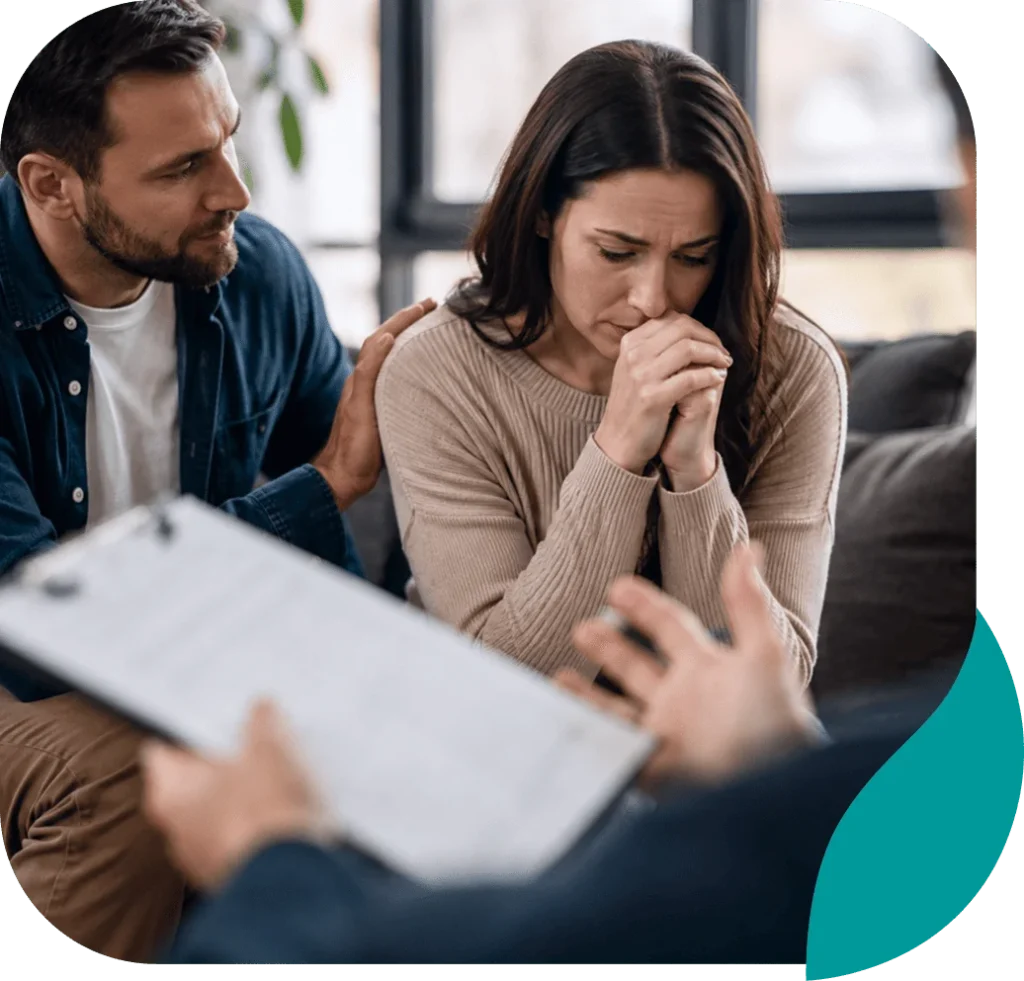
When a prescription meant to ease someone’s pain becomes the thing controlling them, the people who love them feel it deeply. Denial is common here — after all, the medication came from a physician, so admitting a problem can feel absurd to the person using it. Leading the conversation with care instead of criticism, and pointing toward professionally supervised treatment rather than an abrupt, unassisted stop, gives them room to say yes to help. It’s also wise to keep naloxone in the house and get familiar with overdose warning signs for added peace of mind. No one expects you to fix this singlehandedly — connecting your loved one with an Oxycodone rehab program shaped around their circumstances could be the turning point.
Frequently Asked Questions About Oxycodone Outpatient Treatment and Recovery
By itself, opioid withdrawal rarely puts a life at risk, but the ordeal — body aches, stomach upset, diarrhea, chills, restlessness and sleepless nights — pushes plenty of people straight back to the drug for relief. What follows withdrawal is the true hazard: with tolerance reset lower, resuming an old dose dramatically raises the odds of a fatal overdose. Proper medical care manages the discomfort and the danger together.
Phone 911 first, then administer naloxone if there’s a dose available; it can briefly counteract the opioid while you wait. Remain at their side, encourage them to stay conscious and keep breathing, and give a follow-up naloxone dose if the first wears off before responders make it.
Oxycodone addiction means the opioid has become a compulsion — use continues regardless of the toll on health, family or work. Physical dependence nearly always accompanies it, so cutting back or stopping sets off withdrawal as the body protests the drug’s absence.
With steady exposure, the body recalibrates around oxycodone and comes to depend on it, something that can occur even at doctor-prescribed amounts under proper supervision. Dependence isn’t automatically addiction, but the road from one to the other is well traveled, making a professional assessment worthwhile whenever concerns arise.
Recovery usually kicks off with a medically managed withdrawal coordinated with a trusted partner, followed by counseling on both an individual and group basis, and frequently medication-assisted treatment as well. When circumstances warrant, residential care, partial hospitalization or outpatient-based services round out the plan.
A definitive answer requires a medical or behavioral health professional’s assessment. Yet if the signs described here mirror your experience or a loved one’s — or the prospect of quitting feels genuinely out of reach — that alone justifies scheduling an evaluation.
Oxycodone Addiction Treatment in the Indianapolis IN Area
Every client at Provive Wellness gets a dedicated team invested in seeing them through to the far side of Oxycodone addiction.
Waiting rarely improves Oxycodone addiction, but committed treatment changes everything. Contact us at 317-943-5533 to start the journey toward recovery, whether it’s for yourself or someone you love. Our expert staff at our addiction clinic in Greenwood IN, proudly serving the greater Indianapolis IN area, will determine how serious the situation has become, coordinate your medically supervised detox alongside one of our trusted partners, and personally deliver the remainder of your Oxycodone addiction treatment plan — spanning one-on-one counseling, therapeutic groups, medication-assisted treatment and additional evidence-based care — to support lasting recovery!
The Provive Difference
PERSONALIZED CARE
Using the latest evidence-based practices, we ensure all treatment is tailored to the needs of each patient on an individual basis.

SUPPORTIVE STAFF
We know overcoming addiction is a challenge. This is why our staff is here to provide the support you need at every step of your journey.

HOLISTIC APPROACH
When it comes to recovery, we prioritize a holistic approach. This involves not only the body but the mind and spirit as well.
Some Insurance Plans we work with include: