Heroin Addiction
Individualized Heroin Addiction Treatment Program
Morphine, extracted from the opium poppy, is the raw material behind heroin — an illegal opioid that circulates either as a light-to-brown powder or in the dense, dark form users call black tar. The drug’s grip forms remarkably fast: its flood of euphoria overwhelms the brain’s reward circuitry, and within weeks of repeated use a person may already be tolerant and physically dependent. For many, the road here began with prescription painkillers, and the modern supply carries an added menace — fentanyl blended in without any indication, capable of making one dose the last. Trauma, depression, anxiety and other substance use frequently accompany heroin addiction, which is why treatment here always opens with a thorough evaluation. Nobody sets out to become addicted, and heroin addiction deserves to be treated as what it is: a medical condition with proven paths to recovery when the right support is in place.

Common Signs and Symptoms
Common Signs and Symptoms
- Falling asleep abruptly in the middle of activities
- Noticeably tiny pupils
- Injection marks kept out of sight beneath sleeves
- Needles, blackened spoons or ties appearing among belongings
- Severe sickness — trembling, retching, body pain — whenever use stops
- Sharp drops in weight or grooming falling by the wayside
- Unexplained financial strain or missing valuables
- Retreating from family bonds and familiar habits
- Days and nights swapped — asleep when everyone's awake
- Stories that don't add up about time and whereabouts
- Refusing to stop even as consequences accumulate
- A pull toward the drug that drowns out all other priorities

Levels of Care We Offer
Withdrawal from heroin sets in fast and pushes hard toward using again, so identifying the proper level of behavioral health care means looking honestly at how deep the addiction runs and what surrounds it.
Here’s what we can put together:
- Heroin detox — removing heroin from the body safely takes medical skill, so a trusted partner directs this phase while our clinicians design what comes after.
- Inpatient/residential treatment — if constant supervision is the safest way to begin, we arrange it with a trusted partner and link it seamlessly to our own services.
- Partial hospitalization program (PHP) — daytime hours devoted to concentrated treatment while home remains home base each night.
- Medication-assisted treatment (MAT) — our medical team writes prescriptions for buprenorphine, methadone or naltrexone and pairs them with addiction counseling to quiet cravings and hold relapse at bay.
- Intensive outpatient program (IOP) — appointments spread through the week so treatment fits around shifts, semesters and family life.
- Heroin outpatient program — long-haul counseling and relapse-prevention support that stays in place after intensive care winds down.
Why Early Heroin Rehab Matters
Each additional week of heroin use raises the odds of catastrophe — more so today, when fentanyl moves invisibly through the supply and can turn an ordinary purchase into a fatal one. There’s also a hidden danger in delay that most people never hear about: after any period without the drug, the body’s tolerance resets downward, so returning to a previous amount carries an outsized overdose risk. If an overdose ever seems possible, call 911 that instant and use naloxone if any is within reach — it can hold off respiratory failure until emergency crews arrive. With heroin, moving quickly toward a medical or behavioral health professional isn’t just wise; it’s often what survival depends on.

Supporting a Loved One
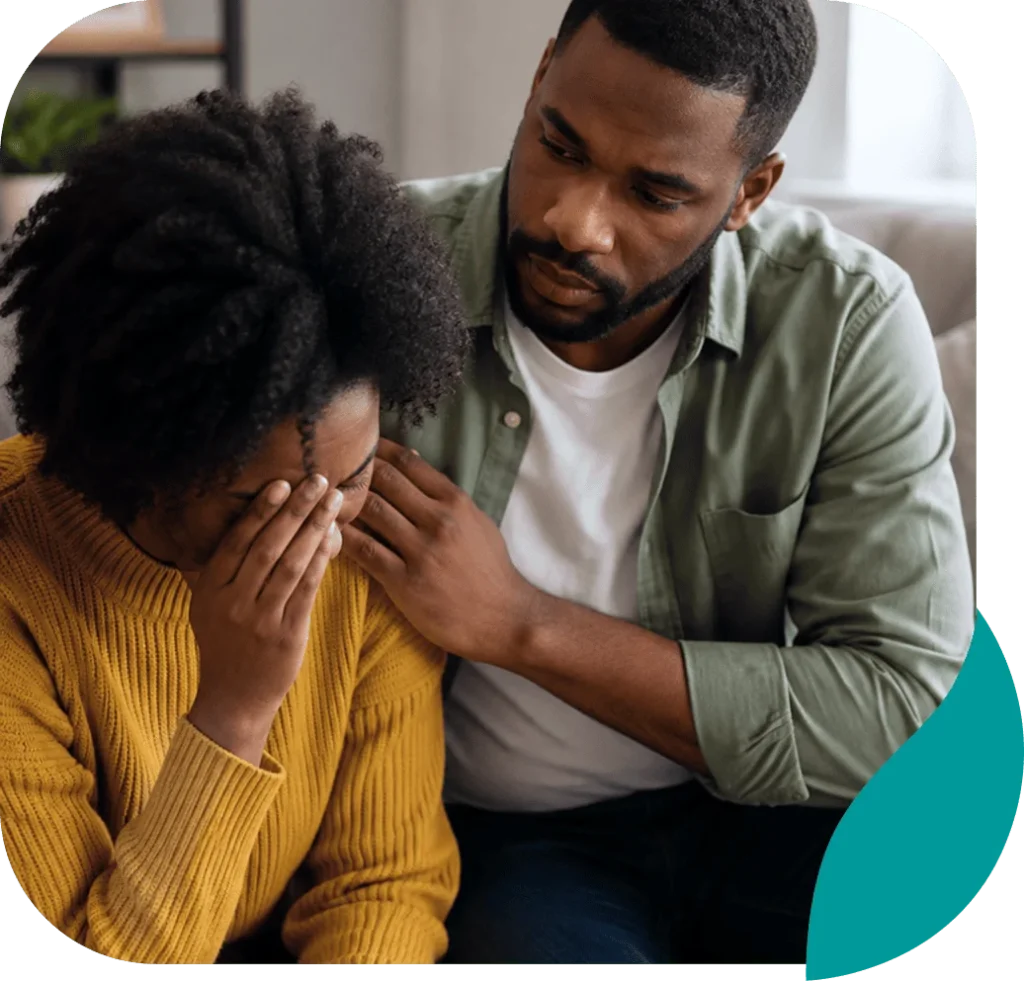
Few experiences drain a family like watching heroin take hold of someone they love. Deception becomes routine, commitments dissolve, and the person underneath the addiction grows harder to reach. What tends to work is firm compassion: voicing worry honestly, insisting on professionally supported treatment over yet another unsupported attempt to quit, and holding onto the belief that they’re still in there. Make naloxone easy to grab and memorize the look of an overdose — those two steps offer real, daily protection. And when they’re ready, having a heroin rehab program already identified for them can shorten the distance between willingness and action.
Frequently Asked Questions About Heroin Outpatient Treatment and Recovery
Constantly — and it’s arguably the deadliest thing about buying heroin today. Fentanyl dwarfs heroin in potency, disappears completely once mixed, and accounts for a massive share of opioid fatalities. Nothing about a product’s look, odor or flavor will reveal its presence.
Heroin addiction is use that has become compulsory — continuing regardless of the wreckage to health, family, finances or legal standing. It nearly always comes bundled with physical dependence, so stopping or slowing down brings on harsh withdrawal.
The drug hits opioid receptors hard and quickly, unleashing pleasure at a scale the brain can’t naturally produce. The system recalibrates in response, demanding more each time, until eventually the drug is no longer about feeling good — it’s about not feeling sick.
The starting point is withdrawal under medical management, arranged with a trusted partner, after which counseling — solo and in groups — takes center stage, usually reinforced by medication-assisted treatment. Residential care, partial hospitalization or outpatient services enter the plan whenever severity requires.
911 comes first, naloxone second if it’s available — it can pull someone back from respiratory arrest for a window of time. Stay right there with them, turn them onto their side if they’ve lost consciousness, and re-dose the naloxone should the overdose symptoms resurface before help gets there.
Formally, that’s a question for a medical or behavioral health professional. Practically, though, heroin’s presence in anyone’s life — yours or a loved one’s — is itself the signal. This drug punishes hesitation, so an evaluation is worth booking now.
Heroin Detox and Rehab in the Indianapolis IN Area
Provive Wellness treats every person battling heroin addiction as a whole human being with a future worth fighting for.
Heroin addiction thrives in isolation and loses ground the moment real help enters the picture. Contact us at 317-943-5533 to start the journey toward recovery, whether it’s for yourself or someone you love. Our expert staff at our addiction clinic in Greenwood IN, proudly serving the greater Indianapolis IN area, will take stock of the situation, entrust medically supervised detox to one of our partners, and handle the heart of your heroin addiction treatment plan in-house — private counseling, group work, medication-assisted treatment and other evidence-based services — to support lasting recovery!

The Provive Difference

PERSONALIZED CARE
Using the latest evidence-based practices, we ensure all treatment is tailored to the needs of each patient on an individual basis.

SUPPORTIVE STAFF
We know overcoming addiction is a challenge. This is why our staff is here to provide the support you need at every step of your journey.

HOLISTIC APPROACH
When it comes to recovery, we prioritize a holistic approach. This involves not only the body but the mind and spirit as well.
Some Insurance Plans we work with include: