
Fentanyl
Personalized Fentanyl Addiction Treatment Program
Fentanyl belongs to a class of synthetic opioids first designed for treating intense pain, including the kind that follows surgery or comes with late-stage cancer. Illicit versions are also manufactured and commonly blended into other substances sold on the street, frequently without buyers ever finding out, and that unpredictability is a major reason fentanyl addiction is so risky. Fentanyl’s potency dwarfs that of many other opioids, which means an amount as small as a few grains can be fatal, and repeated use can lead to dependence in a relatively short window of time. It’s not unusual for fentanyl addiction to develop alongside other substance use, and it can take hold in anyone, no matter how their use first started. Fentanyl addiction says nothing about a person’s willpower or character — it’s a serious medical condition that responds to treatment, and the right addiction treatment program can make the process of recovering both safer and more attainable.

Common Signs and Symptoms
- Financial or legal problems related to drug use
- Pinpoint pupils
- Withdrawing from friends, family or responsibilities
- Confusion or difficulty concentrating
- Combining fentanyl with other substances
- Needing more of the drug to feel the same effect
- Continued use despite negative consequences
- Extreme drowsiness or difficulty staying awake
- Secrecy or dishonesty about drug use
- Slowed or shallow breathing
- Noticeable changes in appearance or hygiene
- Withdrawal symptoms like nausea, sweating or anxiety between uses
Levels of Care We Offer
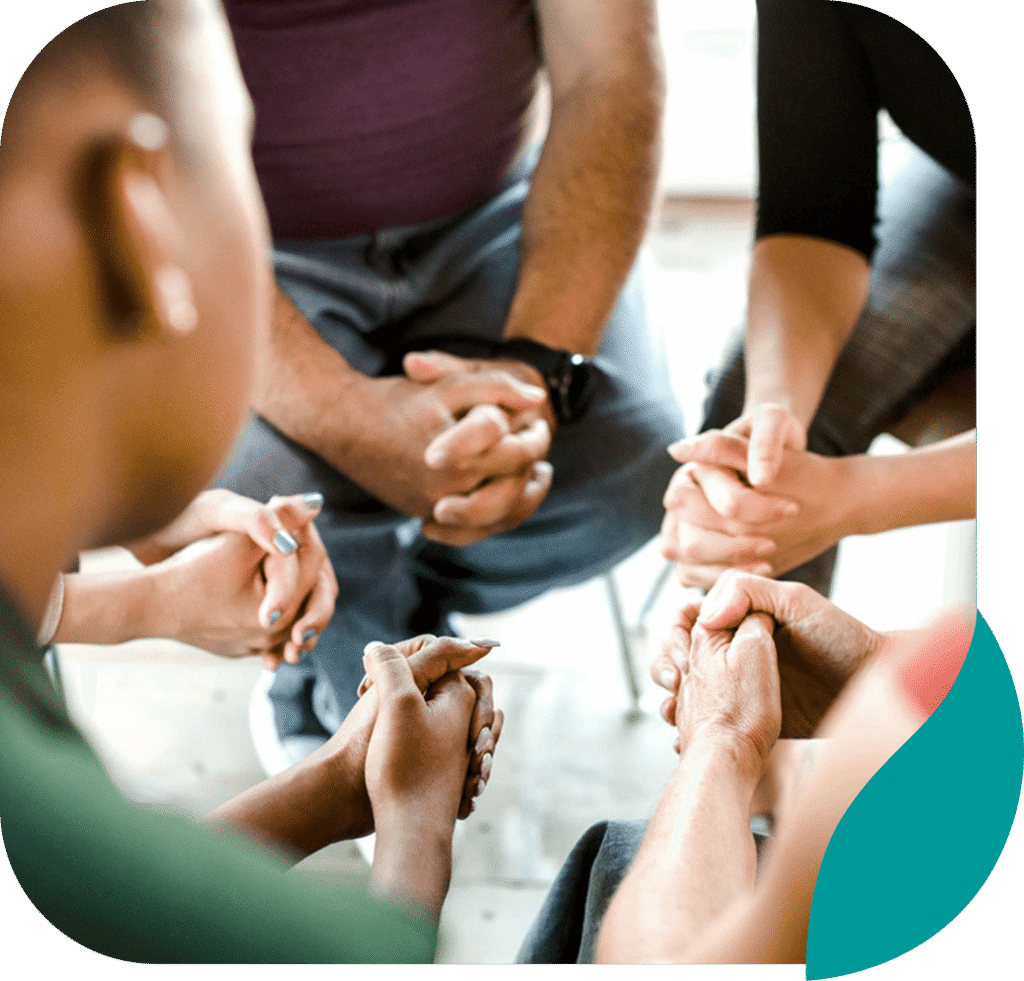
Given the overdose risk that comes with fentanyl, the appropriate level of behavioral health care depends on how far the addiction has progressed and whether anything else is going on alongside it.
Some of the levels of care we make available include:
- Partial hospitalization program (PHP) — intensive, structured treatment during the day that still allows patients to return home each evening.
- Medication-assisted treatment (MAT) — we directly provide medications like buprenorphine, methadone or naltrexone, paired with counseling, to reduce cravings and build a foundation for lasting recovery.
- Fentanyl detox — a medically guided way of getting through withdrawal; for this step, we'll match you with a trusted partner so that piece is handled by the right specialists.
- Inpatient/residential treatment — when someone needs a higher, round-the-clock level of support, we work alongside a trusted partner to arrange it as part of your overall plan.
- Fentanyl outpatient program — regular individual and group counseling sessions built around a schedule that fits daily life and ongoing commitments.
- Holistic addiction rehab — complementary approaches like nutrition guidance, mindfulness practice and stress management that pair with clinical addiction counseling.
Why Early Fentanyl Rehab Matters
Because fentanyl is so potent, using it outside of medical supervision is one of the riskiest choices a person can make, and the unreliable nature of the illegal drug supply keeps overdose risk elevated even for those who feel confident about what they’re taking. Getting into fentanyl addiction treatment as early as possible substantially improves someone’s odds of avoiding a fatal overdose and building a recovery that holds up over time. If you think someone nearby may be overdosing, call 911 immediately and give naloxone if you have access to it, since it can briefly counteract the effects of an opioid overdose. Recognizing the warning signs of fentanyl addiction, in yourself or someone close to you, is more than enough reason to contact a medical or behavioral health professional right away.

Supporting a Loved One
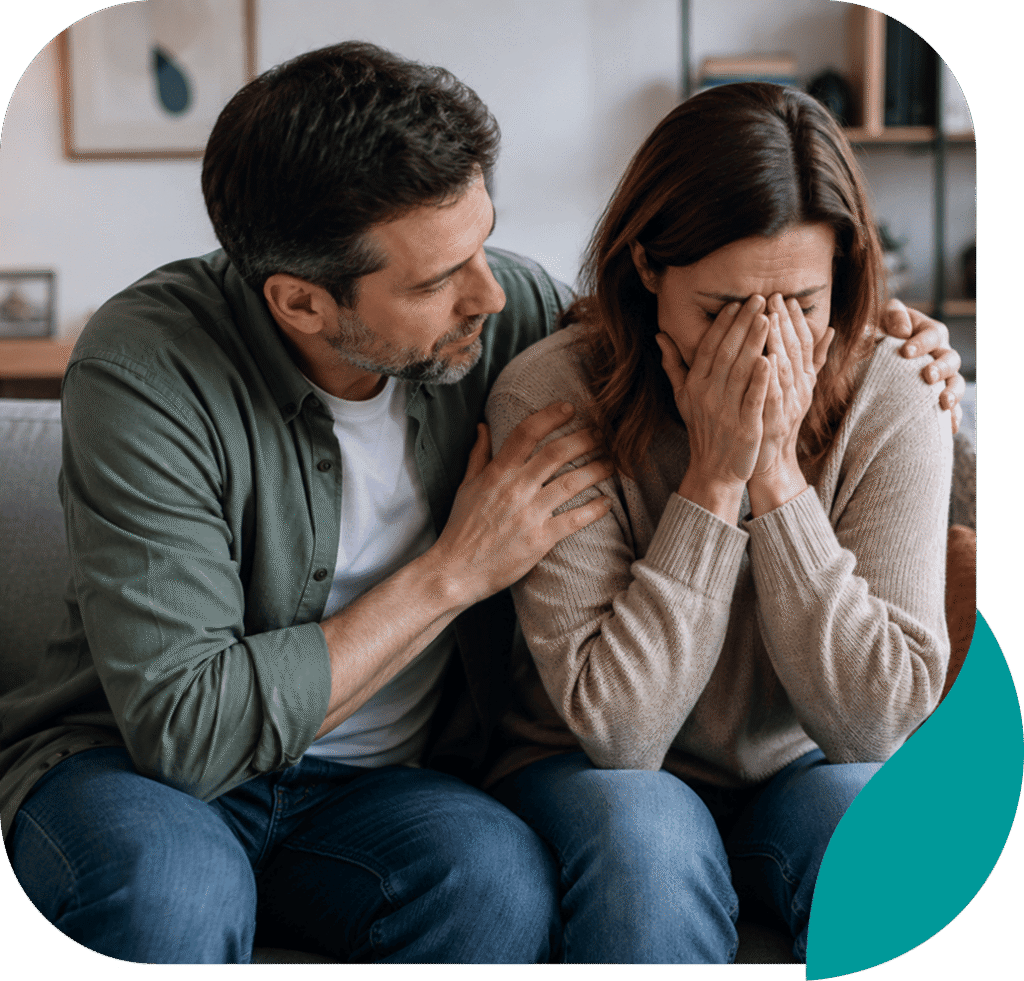
Watching a loved one battle fentanyl addiction is genuinely hard, especially given how fast the situation can become life-threatening. Families often find themselves caught between worry and hope, not sure how to step in without making their loved one pull away further. Choosing empathy over blame, and gently pointing them toward an addiction recovery program instead of letting them attempt it solo, tends to build more trust than pressure ever will. Keeping naloxone accessible and learning to recognize overdose symptoms can also add an extra layer of protection while they weigh their options. You’re not meant to handle this on your own — helping your loved one find a fentanyl rehab program built around their situation is one of the most meaningful things you can offer.
Frequently Asked Questions About Fentanyl Addiction Treatment
Yes. Fentanyl made in illegal labs is often blended into other substances, such as counterfeit pills, heroin and cocaine, and buyers frequently have no idea it’s there. That hidden presence is a major driver of accidental overdoses.
Care typically starts with medically supervised detox, arranged through a trusted partner, before moving into individual counseling, group therapy and often medication-assisted treatment. A more intensive option, such as inpatient care, PHP or an outpatient program, may be added based on the severity of the situation.
Fentanyl’s potency far outpaces that of most other opioids, so it takes only a minuscule amount to trigger a fatal overdose. Since it’s frequently made illegally and slipped into other drugs, people can end up taking it without any idea it’s in their system.
Call 911 immediately and administer naloxone if you have it, since it can temporarily reverse an opioid overdose. Remain with the person, do what you can to keep them breathing and conscious, and give another dose of naloxone if necessary until help shows up.
Only a medical or behavioral health professional can give a complete picture of someone’s substance use. Even so, noticing the warning signs above in yourself or a loved one, or feeling unable to stop safely on your own, is already a good enough reason to ask for an evaluation.
Fentanyl Rehab in the Indianapolis IN Area
Provive Wellness is committed to walking alongside every client on the road to a safe, lasting recovery from fentanyl addiction.
Fentanyl addiction puts lives at risk, but real, lasting recovery becomes possible once someone gets the right kind of help. Contact us at 317-943-5533 to start the journey toward recovery, whether it’s for yourself or someone you love. Our expert staff at our addiction clinic in Greenwood IN, proudly serving the greater Indianapolis IN area, will assess the severity of the situation and design a comprehensive fentanyl addiction treatment plan, arranging medically supervised detox with a trusted partner while handling individual counseling, group therapy and other evidence-based drug rehab services ourselves, to support your recovery every step of the way!

The Provive Difference

PERSONALIZED CARE
Using the latest evidence-based practices, we ensure all treatment is tailored to the needs of each patient on an individual basis.

SUPPORTIVE STAFF
We know overcoming addiction is a challenge. This is why our staff is here to provide the support you need at every step of your journey.

HOLISTIC APPROACH
When it comes to recovery, we prioritize a holistic approach. This involves not only the body but the mind and spirit as well.
Some Insurance Plans we work with include:






The journey to wellness starts with a single step
Contact our team to learn more about the programs and resources available to you at Provive.


